

CEEA Talks: Rita Domonyi About CEEA Workshop “Behind every story is a personal experience”
A script consultant at CEE’s Animation Workshop has a practical task: cut a slice here, speed up things there, turn each scene and character inside out. With her background as Creative Development Manager at the Hungarian Varga Studio, teacher at MOME University, and author of children’s books, Rita Domonyi is perfectly capable of doing all this. But her input in the workshop transcends pure practice. Taking a holistic approach, she works on building trust and observing and managing group processes. About which she talks in an affable, thoughtful tone.
Rita Domonyi: Together with Phil Parker, I have been working with CEEA for a long time. Seven years ago, we were both in the first edition of the workshop, and together, we created a workflow. Phil was teaching and giving lectures, and my academic background was in my many years of teaching at the Hungarian MOME university, and serving as a tutor at ASF (Animations sans Frontières). Teaching and consulting have made me accustomed to working in large groups on various projects.
In which stage of the process should they call you in?
Domonyi: The sooner, the better. When a ship is heading for the ocean, and the pilot only comes on board when the ship is already heading in the wrong direction, it is too late to intervene. It could run aground on the rocks and sink. Or he can guide it back to the harbour – if he has the skills for it! Once the ship has docked, we can deconstruct it, take it apart – the structure, the idea, the dialogues,… – until nothing is left. But once we’ve put it together again and we give you the map, you can sail wherever you want.
How do you make sure you don’t become cynical after all these years?
Domonyi: I was never that type of person. Getting cynical is easy; you have to try harder not to become like that. If you think something will not work, you have to tell why and do it in a way that encourages people to understand. The school system that I grew up with in Hungary was all about pushing you down. However, I also had good tutors who encouraged me to think outside the box and to get to know myself. I can’t work in a toxic environment. I need trust and positive vibes to achieve results. You have to nurture people to create a good feeling, and you can’t do that when being cynical.
Do you sometimes feel tempted to say: ‘Give it to me and I’ll write it for you’?
Domonyi: There are two options. One is when I’m hired for a workshop, in which I encourage people to find their own path. Or you can hire me as a dramaturg or writer. Then I know where I’m heading, and I am in control of things. Even if I might have solutions to the problems of other people’s projects, I prefer to let them discover the answer themselves.
How do you envision such a collaboration?
Domonyi: You know what the best possible development process is? When you establish one collective mind, to which everybody contributes their ideas. Until finally, you don’t know who contributed what element; there are no more ego issues, because it doesn’t matter who came up with which idea. In animation, it’s more common to inspire each other and work together within a collective consciousness. I love it!
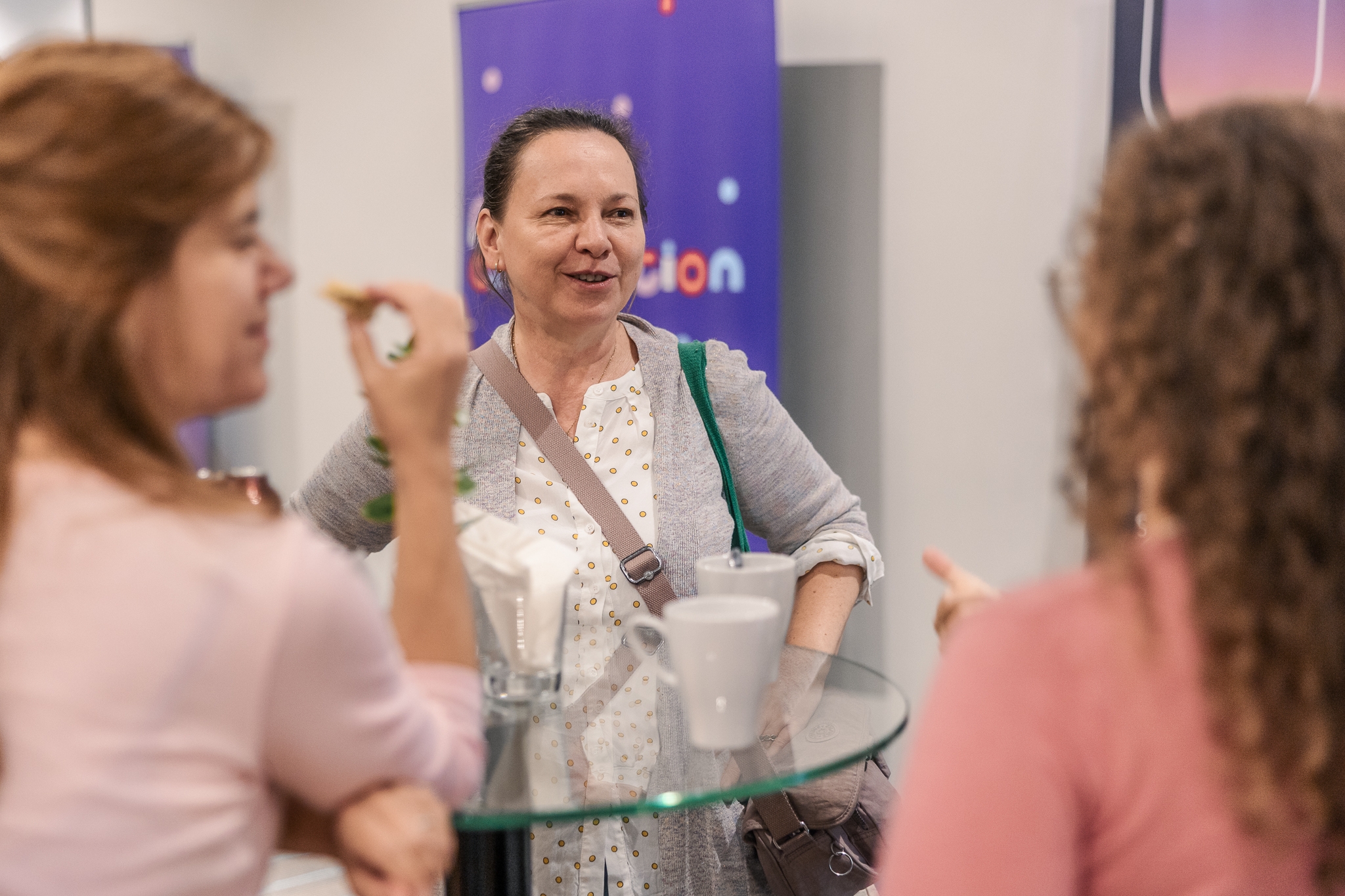
You prefer the gentle over the firm approach.
Domonyi: Only at home, with my husband, we’re playing good cop, bad cop for my son, but not in a workshop. First, I need to understand why they trust the elements that don’t work, and why they think it should work. In discussions, we want to get to the heart of the matter and express things that usually remain hidden. Behind every story is a personal experience.
As much as a dramaturg, you need to be a psychologist.
Domonyi: Exactly. And an archaeologist, architect, detective, dramaturg, and gardener.
A gardener?
Domonyi: I’m sowing seeds. I plant questions in their minds, and I hope they will nurture them. It’s good that we have so many people around the table in this setup, including highly regarded professionals. When you hear the opinions of 10 other people, and not just the tutor’s, you might start to think: maybe there is some truth in this after all.
What you describe as a psychological process now sounds more like group therapy.
Domonyi: Coming out of their labyrinth of thoughts and entering a safe space for experimenting, participants inspire each other. Many transgenerational traumas are coming to the surface nowadays, and the new generation wants to make them debatable. We build trust and convince them that we don’t want to impose anything on them. I don’t make dramaturgical decisions, but I can make suggestions, and they will decide.
All this is confirmed by the reactions that I collected from the participants. Some said this workshop was ‘life-changing’ for them.
Domonyi: For me and Phil, this is the result of several decades of experience in listening and analysing. It doesn’t mean that I’m in any way smarter or better; I just take on a holistic approach. After this one-year workshop, the intention is for them to be able to continue on their own. Because they know what they want to tell and how they can tell it. On series and features, you have to work for years, and this is just a start, but it needs to be a good start.
What is so specific about being a content development consultant in animation?
Domonyi: It’s not just about the narrative. You have to think visually because each artist creates a different universe, and visuals and narration go hand in hand. Each drawing line represents an artistic voice. I don’t work just on the level of text and storytelling; as soon as possible, I want to see the visuals because the same story told by different artists will lead to completely different results. When the characters start to act and move, that adds an important layer to the story. It’s always surprising, and always interesting.
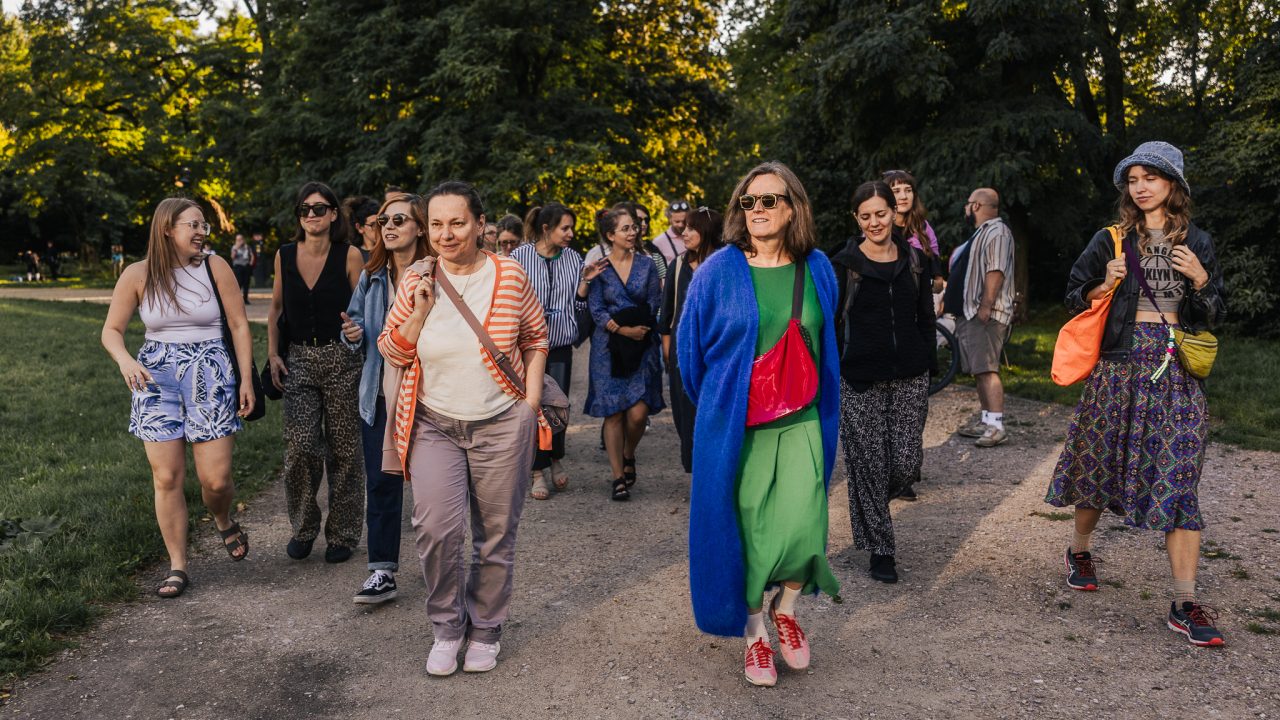 Photo: Mateusz Nowak
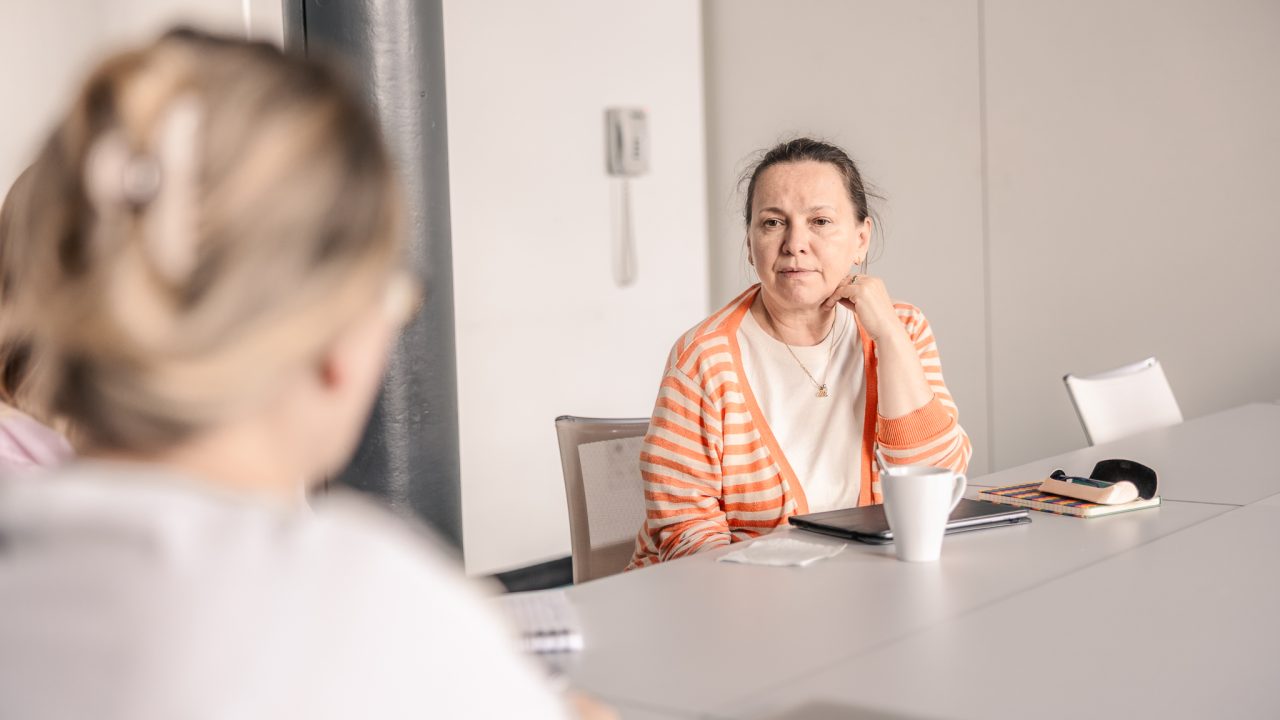 Photo: Mateusz Nowak
You’ve been in seven editions now. Do you see an evolution in the participants’ expectations?
Domonyi: Now that our reputation is spreading, we have big studios applying, festival award winners, experienced professionals… The work of CEEA has significantly impacted European animation, especially in Eastern Europe. But the connection, the love, the help for each other, and the sharing of knowledge are still the core values of this workshop.
How does it feel to realise that only a certain percentage of these projects will ever see the light of day?
Domonyi: It’s the same in our own professional lives. After all these years, I find many indications in the synergy between producer and artist. For their relationship, it is useful to spend so much time together, and that partly determines whether a project will happen or not. But of course, I’m hoping they will positively surprise me.
You must have been so happy that finally you did an interview where nobody spoke about AI. Who is smarter, Rita or AI?
Domonyi: Everybody is talking about it, but with my ‘zen nature’, I’m observing what is going on and what impact AI has on the people using it. Like a knife, it can work both ways; you can use it to peel an apple or to stab.
Interview conducted by Gert Hermans for CEE Animation.


