

CEEA Talks: Distributor Emmanuelle Chevalier on 25 years of Les Films du Préau
If animation is a virus, Les Films du Préau is a superspreader. Already for 25 years! As a French distributor specialising in (short) films for children, Emmanuelle Chevalier is a loyal visitor (and former jury member) of the CEEA Forum, looking for projects that fit Les Films du Préau’s vision: films from all over the world, in all possible formats, always with a high quality standard, always tailored to children, and with a strong preference for animation. On the occasion of their 25th anniversary, we ask Emmanuelle which territories Les Films du Préau is currently focusing on. What place does animation from Central Europe have in its catalogue? And how has Les Films du Préau changed the French market? But I forgot to ask the most important question… What is that bloody peacock (Préau) doing in their company name?
Emmanuelle Chevalier: I founded Les Films du Préau 25 years ago, in 2000, together with my associate at the time, Marie-Agnès Bourillon. From the beginning, we had a clear goal: to offer the kids’ audience the same diversity we saw in children’s literature. There was plenty of choice on the book market, with books for specific age groups, often dealing with strong subjects. We didn’t have that in cinemas, not in France, and probably not much elsewhere. But at the festivals, we were introduced to an enormous wealth of animated shorts. We surveyed young audiences, parents, and cinema owners and came up with the idea of creating short film programmes. Those compilations lasted less than an hour and were thus adapted to children’s attention spans. That was a revolutionary idea. We experimented with grouping short films thematically or by country of origin.
This recipe for compilations was copied by others, who all had to learn that simply putting good films together doesn’t work. You need a certain expertise to know what fits together in a programme.
Chevalier: Those films need to respond to one another; there needs to be a connection, a unity, regardless of different techniques or directors. That’s the most complicated part of a programmer’s job, but also the part that I’m most attached to.
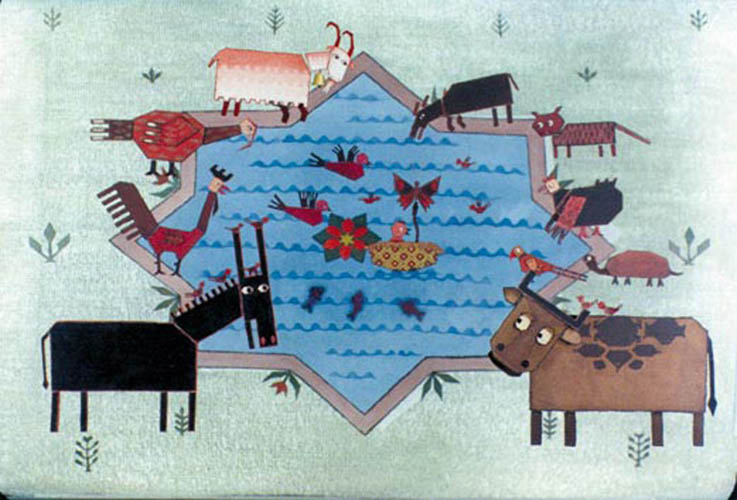
Let me pick a few of those titles as an example. A true eye-opener was LES CONTES DE LA MERE POULE (Tales of Mother Hen). How was it possible that a compilation of Iranian shorts could become so successful?
Chevalier: Very successful, indeed. People were surprised by these Iranian animations, made with wool or fabric… Those screenings were an experience in culture and craftsmanship; we toured extensively in cinemas, often decorated with Iranian carpets and serving Iranian snacks. The market for that programme was surprisingly large; 20 years later, the film is still being shown in schools. Many of our compilations have a long lifespan; they are shown to new generations and thus become classics.
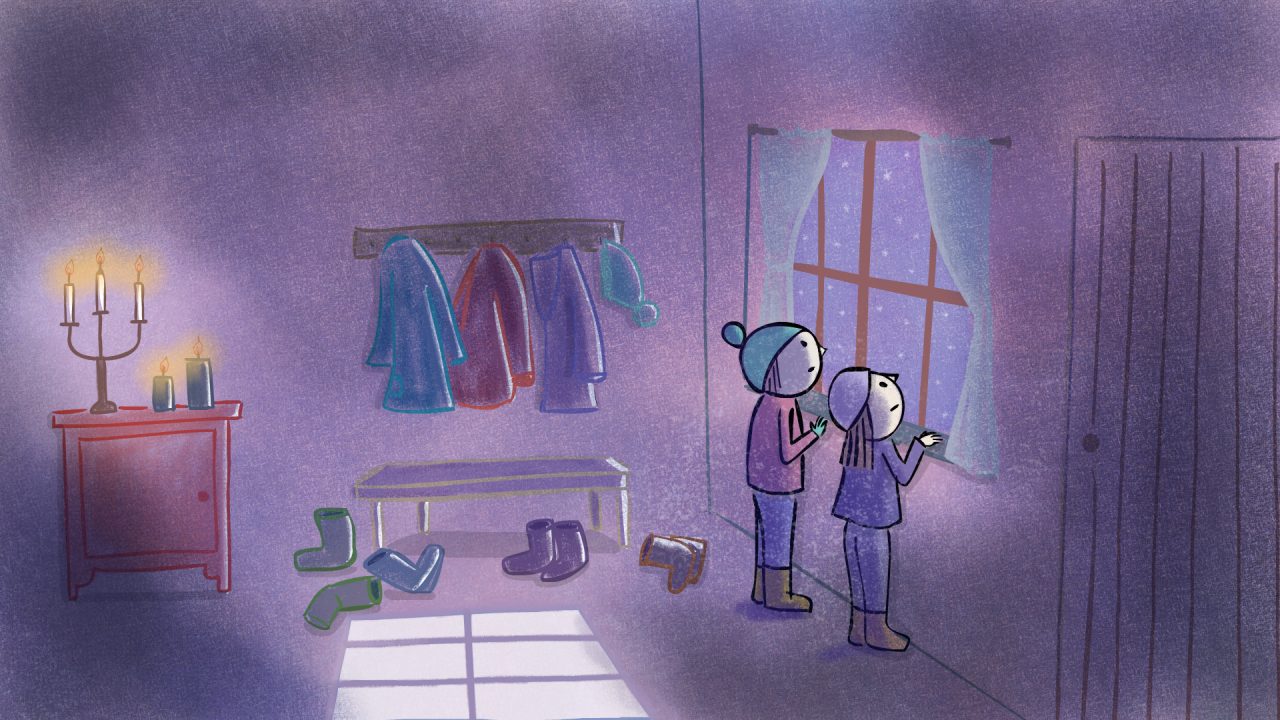
That was one of Les Films du Préau’s first compilations. The most recent one is called FIRST SNOW (PREMIERES NEIGES).
Chevalier: This was entirely the work of producer Arnaud Demuynck (Les Films du Nord), who collected films for the youngest (3+) audience on themes like winter and snow. The compilation also includes three short animated documentaries, testimonials from children on winter topics, like their first family trip to Norway, or discovering the joy of skiing. The unity in the visual style, using mostly watercolour drawings, and the way the stories are told, create a true harmony between the films.
You also distribute titles from Central & Eastern Europe. Do you know them by heart
Chevalier: The most famous is, of course, THE LITTLE MOLE. A true classic! From Latvia, we released THE SHAMMIES by Edmunds Jansons. This series combines animation with live action to tell about a cat and a bunch of creatures, made from fabric and buttons. They go on adventures together, with the cat watching over the family as their guardian.
To refresh your memory… we’re not just talking about Central European shorts, but also about feature-length animations.
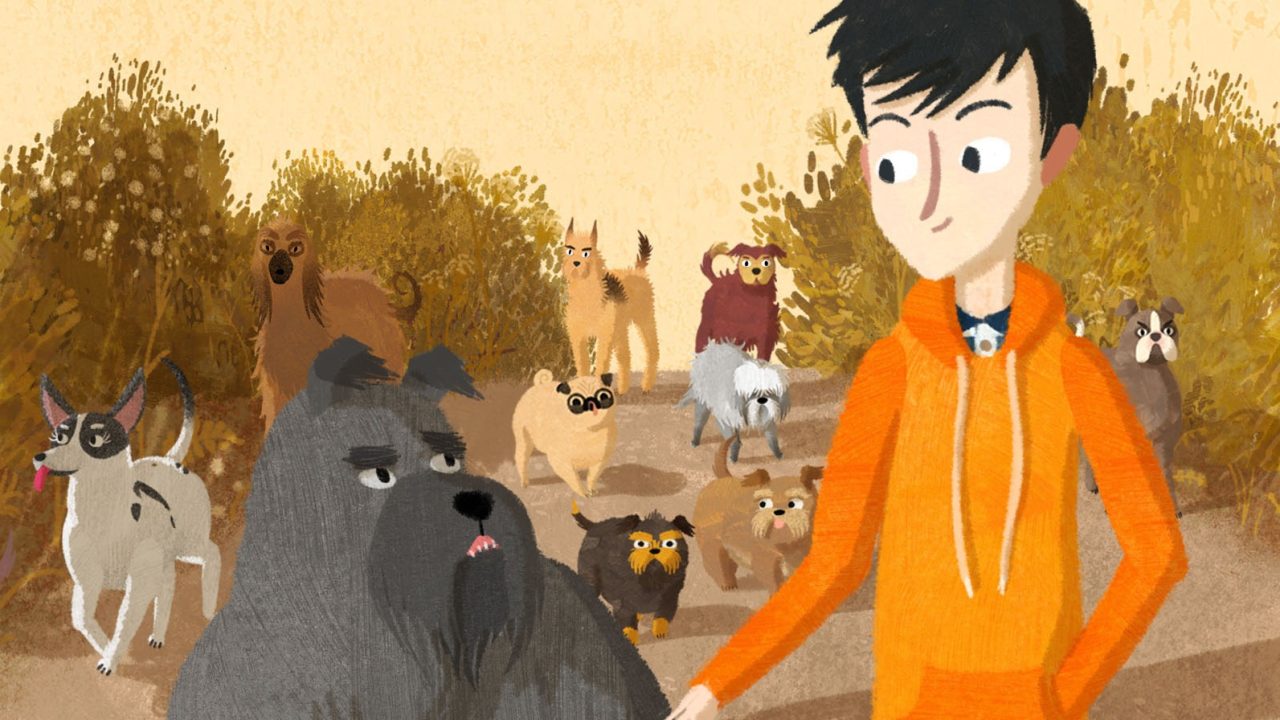
Chevalier: Oh yes, we did JACOB, MIMI AND THE TALKING DOGS, also by Edmunds Jansons, and LIVING LARGE, the Czech-Slovak-French co-production by Kristina Dufková. We were a bit disappointed by the box-office results for such a great film. We brought Mikaël Ollivier, the French author of the novel, into contact with his audience. The children were honestly touched to meet the person behind the story, writing as an adult about his days of youth. That was a very precious experience.
May I bring up a few more obscure titles, like MONSIEUR AND MONSIEUR and LEO & FRED
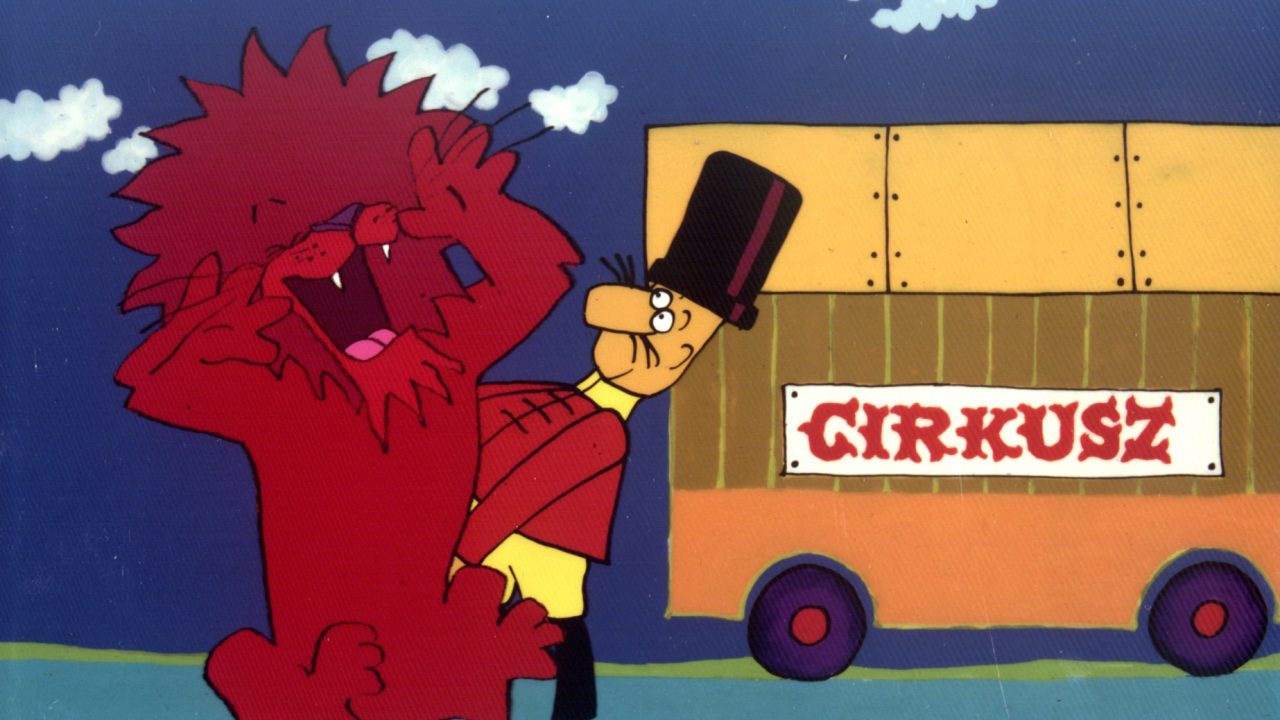
Chevalier: Monsieur & Monsieur are two comical little bears, straight from the Czech animation archives, directed by Bretislav Pojar and Miroslav Stepánek. LEO & FRED are Hungarian 2D animations by Pál Tóth from 1987, about a circus lion. Our audience doesn’t mind when we present older films. There are so many treasures to find among Central European archive material!
I probably overlooked a few more titles…
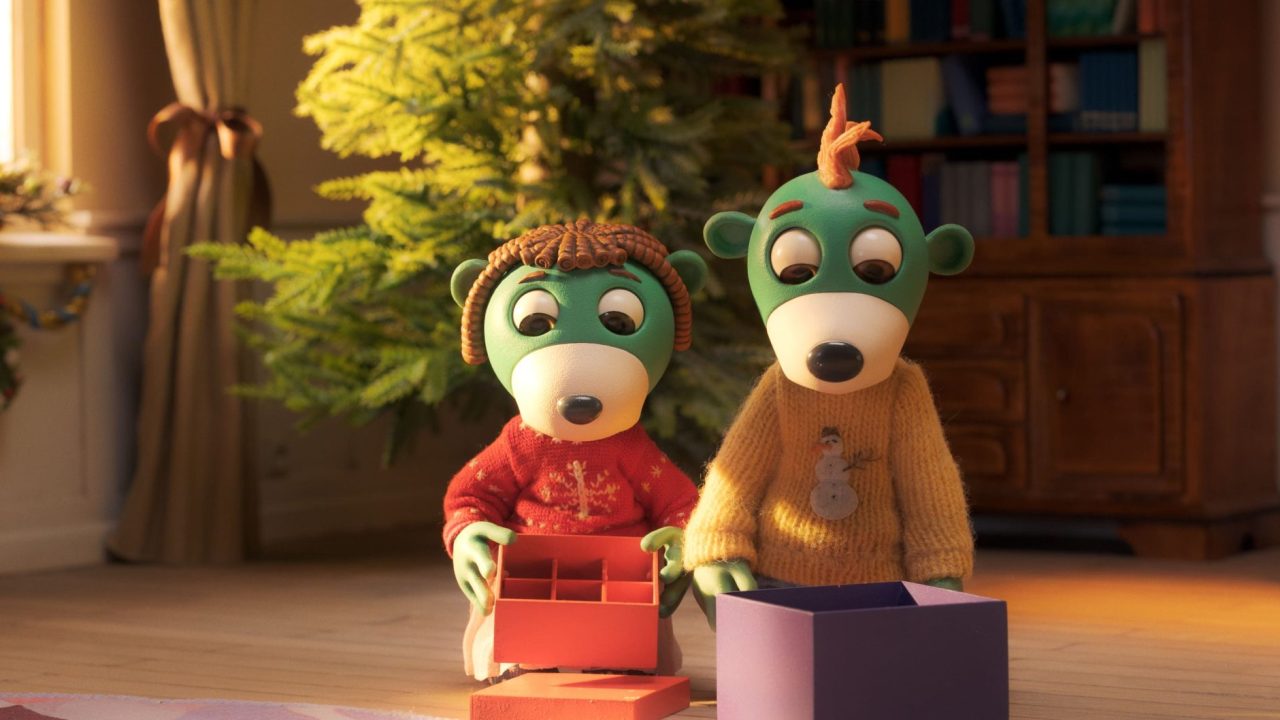
Chevalier: One is directly connected with CEEA! I discovered TREFLIX two years ago at the CEEA Forum. The Polish KAZStudio pitched a Christmas TV Special in early development; we followed it up and released it last winter. The programme worked well in French theatres. KAZStudio followed our line of thinking and offered their film in the same format to other countries. For instance, in Sweden, it was released by Folkets Bio.
French studios have been involved in many recent Czech and Slovak animations. TALES FROM THE MAGIC GARDEN, MY SUNNY MAAD, LIVING LARGE, EVEN MICE BELONG IN HEAVEN,… What is it with the French that makes co-producing with Central Europe so obvious?
Chevalier: Central European countries are still masters of stop-motion animation. I greatly admire their artisanal approach. This attachment to national tradition sometimes moves me. Attending the CEEA Forum for a few years helped me discover titles that are not necessarily pitched elsewhere and meet producers I hadn’t met before. It opened doors to a type of content that Les Films du Préau wants to programme for children.
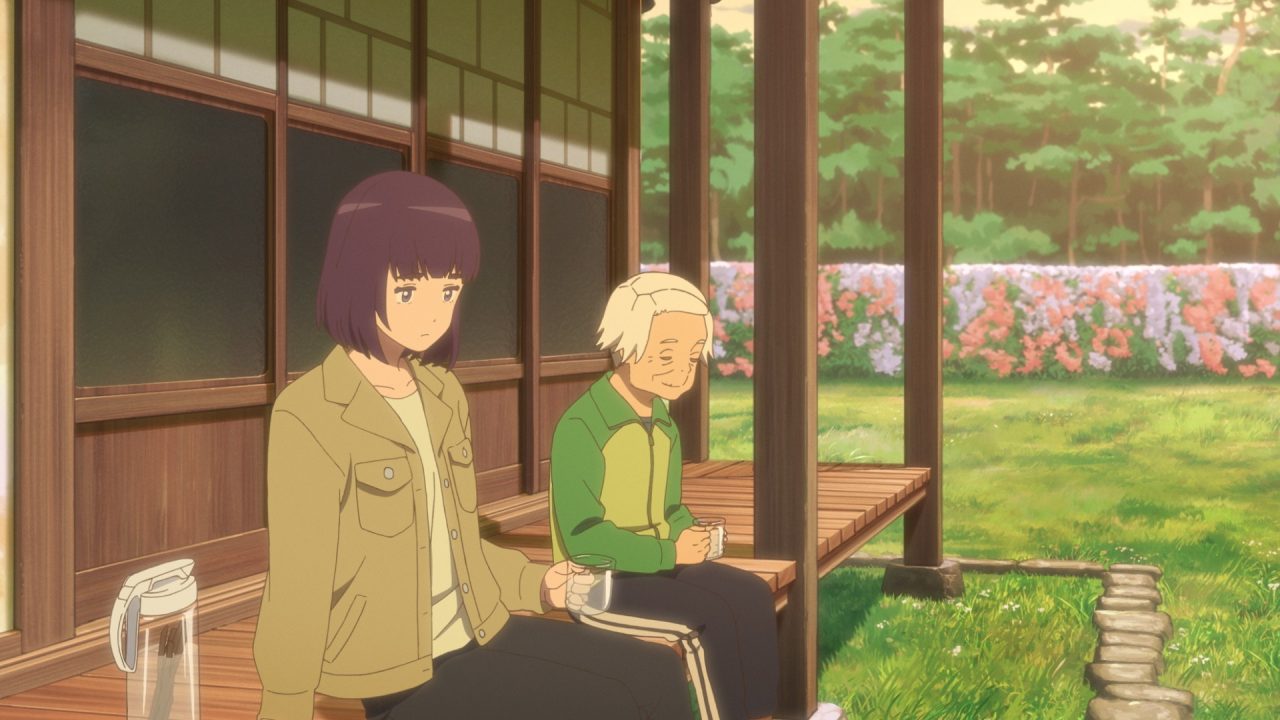
Les Films du Préau was also among the first to discover Japanese animation, other than the Ghibli Studios. You distributed films like THE HOUSE OF THE LOST ON THE CAPE by Shinya Kawatsura and A LETTER TO MOMO by Hiroyuki Okiura.
Chevalier: Not to forget LA BOITE A MALICE, a compilation of shorts by Koji Yamamura. We knew his work for adult audiences, but then discovered these short films, which could easily be screened for young children. That’s another programme that, after 15 years, is still running successfully in kindergartens. We were certainly not the first to recognise the power of Japanese animation, nor are we experts on this market, but as a distributor, we are not capable of handling the release of a French feature, and we don’t have the same budget as the major distribution companies. Actually, we have never distributed a single French feature title. That is why we are searching for films from Japan, the Czech Republic, or Scandinavia to serve our audience.
Looking back on 25 years, can you recall a beginner’s mistake where you completely misjudged a film’s chances?
Chevalier: I wouldn’t call it a mistake. We believe in all our films, we love them, and we hope they will work. Some of them didn’t… but that’s not a mistake. Distribution is no exact science; there is no fixed recipe. You can only try, but you can never know. We try to assess a film’s chances, but our 25-year catalogue allows us to take a risk now and then.
Let’s put it positively: What was the biggest surprise of a film that worked, that you might not have expected?
Chevalier: I already mentioned LES CONTES DE LA MERE POULE, which was a positive surprise. And 20 years ago, we released the South Korean live-action film JIBURO by Lee Jung-hyang. Such releases were rare in French cinemas, but that film continues to be shown regularly (nearly 1 million admissions). The timeless story about a boy and his grandmother transcends generations; the film hasn’t aged a bit.
And the ‘prize from the heart’ for animation goes to…?
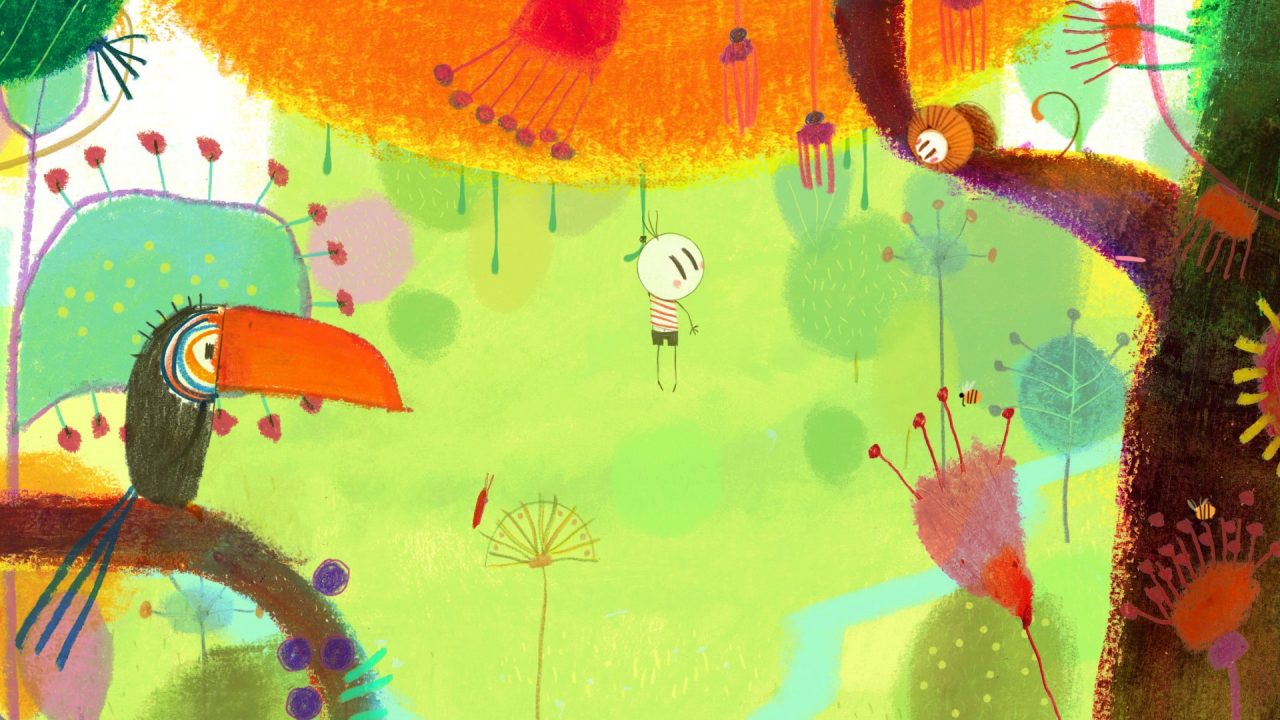
Chevalier: The Brazilian film THE BOY AND THE WORLD (O MENINO Y U MUNDO) by Alê Abreu. I remember exactly the day we discovered it. We watched it in awe on our computer, thinking: This can’t be possible! Several distributors had already refused the film. It was risky, but we simply had to do it. Then the film won awards in Annecy, it went for the Oscars, and it’s still out there. It’s a phenomenon. I would fight for every single one of our titles, but this one has a special place in my heart.
Meanwhile, you continue your pedagogical work.
Chevalier: That is something we’ve been attached to from the very beginning. With every release, we created additional materials, such as study guides, exhibitions, quizzes, games, modelling clay, or discussion guides for educators, in which substantive themes are elaborated.
What has Les Films du Préau, as a distributor, contributed to the French production market
Chevalier: Our short-film programmes opened a few doors; for the first time, shorts were screened for the general public in the theatres. This formula has since become widely used. This resulted in more competition, but a broader and richer offering that wasn’t there 25 years ago. It might have helped filmmakers and producers realise that there is a life for short films outside occasional festival screenings. Shorts for children are not only being picked up in France, but also in Spain, Belgium, Scandinavia,… in every other country where there is a specialised distributor for children. For example, we regularly collaborate with Folkets Bio in Sweden, curating the same compilation programmes.
For your audience, Les Films du Préau screenings are often their first encounter with films being screened in a cinema. That is an impactful experience, something they might remember for the rest of their lives.
Chevalier: We are well aware of that, and we try to take that responsibility seriously. Our local contacts explain to children how a cinema works; suddenly the room will go dark, the screen will be big,… Cinema screenings are a collective experience, in which we share emotions with people we don’t know. It’s something special, and I am proud that we can contribute to it.
Do you still remember your first cinema visit?
Chevalier: In the small town where I lived, the cinema didn’t programme children’s screenings. When we went to the big city to visit my grandmother for Christmas, we went to see a Walt Disney film, like THE ARISTOCATS, CINDERELLA,… These were our only options. Today, the offer is much more diverse, with films from around the world for children to watch and enjoy.
Thanks to you, Emmanuelle, and to Les Films du Préau. Congratulations on your 25th anniversary!
Gert Hermans
For CEEA


